Reviewed · HALF-DAY
From Koper: Half-Day Villages and Traditions Tour
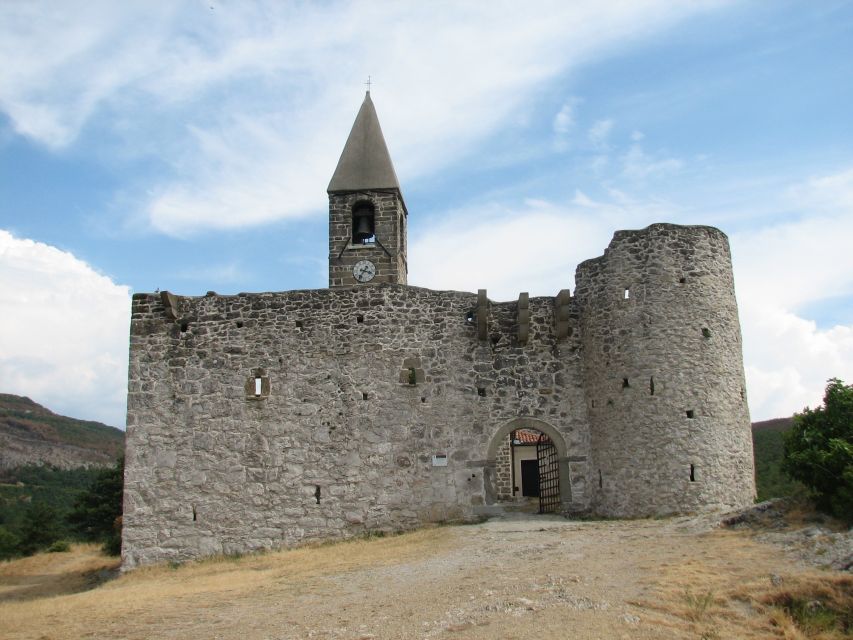
Socerb Castle gives this half-day outing an excellent start: you get medieval history, a cave legend, and a broad view toward the Gulf of Trieste before heading into rural Slovenia. I like the mix of culture and food, especially the remarkable Dance of Death fresco in Hrastovlje and the later tasting of wine, olive oil, and local fare.
I also like that pickup, entrance fees, a guide, and transport are included in the $102 price. Guides such as Dean and Grega have brought plenty of personality to the day. The main consideration is time: five hours allows a useful taste of the countryside, but not a slow, lingering visit in every village.
Key points at a glance
- Socerb Castle begins the tour with views and medieval stories: Look toward the Gulf of Trieste while learning about the castle’s role in the Middle Ages and legends tied to a nearby cave shrine.
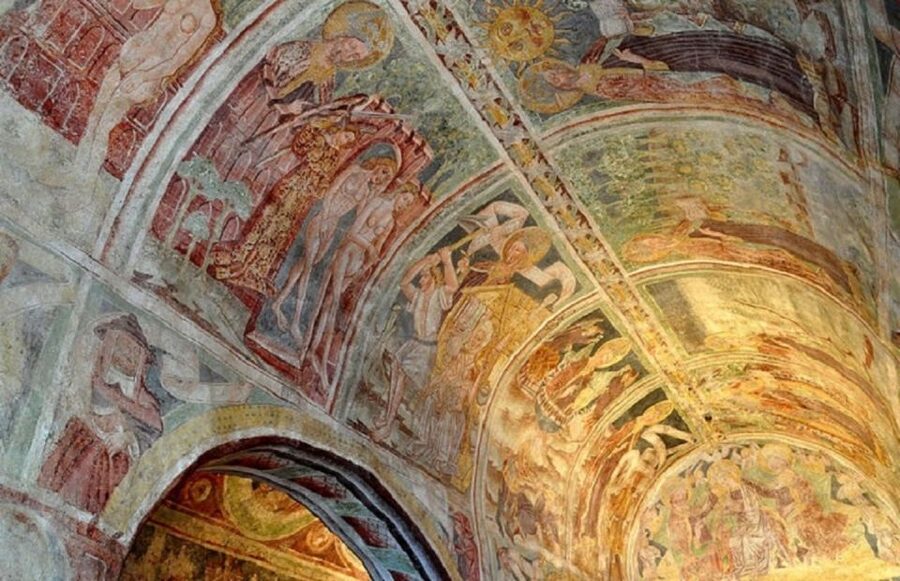
- Hrastovlje’s Church of the Holy Trinity is the cultural centerpiece: Its Bible scenes, Glagolitic inscriptions, and famous Dance of Death fresco make this much more than a quick village stop.
- Maregize connects village life with Slovenian wine: You’ll see the location of Slovenia’s first wine fountain before continuing to a local olive oil farm.
- The tasting adds real value to the route: Wine, excellent olive oil, bread, and food turn the final stop into more than a sightseeing break.
- The tour works well from Koper or a cruise stop: Hotel and Cruise Passenger Terminal pickup and drop-off are included.
- Comfortable shoes matter: You’ll be visiting a castle and historic village sites, so practical footwear is the sensible choice.
Why this countryside trip earns a place in your Koper plans
Koper is a pleasant base on Slovenia’s short Adriatic coast, but the inland villages show a different side of the country. This tour gets you out of the port and into the low hills, where stone buildings, old churches, vineyards, olive trees, and wide views replace city streets.
I like the route because it does not rely on one big attraction. Instead, it combines three types of experience: a castle with a dramatic setting, a church filled with important art, and a food and wine visit tied to local production. That gives the five hours a good rhythm.
The $102 price is not a bargain basement outing, but it covers more than transportation. You receive hotel or cruise-terminal pickup, a guide and driver, the Hrastovlje entrance fee, and tastings of food, wine, and olive oil. For a short trip from Koper, those inclusions make the cost easier to justify, particularly if you are arriving by ship and want a ready-made excursion without arranging several separate rides.
The experience is conducted in English. Guides have included Dean, praised for his personality and storytelling, and Grega, who has also guided in near-perfect German. The guide matters here because the appeal is not just looking at buildings. You need context for the church paintings, the castle’s role, and the traditions behind the food.
A few more Koper trips to weigh up
- Ljubljana: Lake Bled Experience small group half-day tour
★ 4.5 · 216 reviews - Half-Day Private SUP along Soca River
★ 5.0 · 143 reviews - From Ljubljana: Postojna Cave & Predjama Castle Half-Day
★ 4.7 · 137 reviews
Socerb Castle and the Gulf of Trieste
Your first stop is Socerb Castle, an old defensive site above the coast. Its position is the main visual reward. From here, you can take in the Gulf of Trieste and see how the castle’s height gave it strategic importance during the Middle Ages.
The visit is not presented as a long archaeological study. Instead, your guide explains why the castle mattered and adds local stories, including legends connected with a cave and an underground shrine. That mix of documented history and folklore suits the setting. Old fortifications often make more sense when you hear how people used and imagined them, not just when you see their walls.
I would pay attention to the views here, even if the weather is not perfect. The Gulf of Trieste is one of the tour’s best visual moments, and the open outlook gives you a quick sense of how the coastal and inland parts of the region fit together.
There is a practical point to keep in mind. A castle visit is not the kind of stop where you simply step from a vehicle onto a flat pavement and stay in one place. Comfortable shoes are specifically recommended, and that advice is worth taking seriously. The tour lasts five hours, so footwear that works for walking between historic sites will help you enjoy the day rather than think about your feet.
Hrastovlje’s Church of the Holy Trinity
The strongest cultural stop comes in Hrastovlje, a small Mediterranean village known for the Church of the Holy Trinity. The church is treated as a UNESCO World Heritage Site, and its interior is the reason for the visit.
Inside, you can see detailed frescoes showing Bible stories, along with Glagolitic inscriptions. The artwork gives the church a visual record of religious teaching and local culture from an earlier period, when painted scenes helped communicate stories to people who could not rely on printed texts.
The famous Dance of Death fresco is the feature you will most likely remember. It shows death leading people from different walks of life, a subject that carried a sharp warning about human equality and mortality. The subject may sound grim, but the painting is historically valuable because it reflects how medieval and early modern communities thought about death, status, and faith.
The church’s story reaches back to the 13th century. You’ll also hear about Janez of Kastav and his role in painting the church. That detail gives the visit a human focus. Rather than treating the frescoes as anonymous decoration, the guide can connect them to a named artist and to the long sequence of work that shaped the building.
This stop deserves enough attention to reward people who enjoy art, religious history, or old village architecture. Still, it may be less compelling if you prefer outdoor scenery and food to church interiors. The tour includes the entrance fee, so you do not have to budget separately for this important stop.
Marezige and Slovenia’s first wine fountain
From Hrastovlje, the route continues to Marezige. The village is connected with wine culture through the location of Slovenia’s first wine fountain.
This is a small but useful stop because it ties the countryside to a living tradition. Marezige is not presented as a grand wine estate or a large commercial attraction. Its appeal is the village setting and the chance to see a place associated with Slovenian wine in a more local context.
The wine fountain also prepares you for the final tasting. By this point, you have seen the stone villages and the historical side of the region. Marezige shifts the focus toward the products grown and made in the surrounding area.
Do not expect a full winery tour from the information provided. The emphasis is on seeing the wine fountain and then continuing to a renowned olive oil farm for the main tasting. That distinction matters if you are booking this specifically for a long wine education session. If you want a compact introduction to the region’s wine and food culture, the combination works well.
Same country, a completely different kind of day:
- Private Mediterranean Fish Cooking Workshop with Irena
★ 5.0 · 118 reviews - An Unforgettable Day With Fish, Wine and Olive Oil Tasting
★ 5.0 · 108 reviews - Hop & Taste Slovenian Riviera Hop-On Hop-Off & Local Bites
★ 4.0 · 76 reviews - Panoramic Tour to Piran with Sweet Surprise
★ 4.5 · 67 reviews
Olive oil, wine, bread, and local food
The tasting is the tour’s most relaxed part. At the olive oil farm, you can sample excellent olive oil, wine, and food. One guide has also brought bread sticks for the wine tasting, a simple touch that makes the stop feel generous rather than formal.
I value this part because food gives the countryside visit a practical connection. You are not only looking at olive trees or hearing about regional traditions. You get to taste products associated with the area and compare them in a setting linked to their production.
The exact food selection is not specified, so you should think of this as a tasting rather than a full meal. Bread and other food are included, but do not book the tour expecting a restaurant lunch. For many people, that is an advantage: the tasting rounds out the day without taking up too much of a five-hour schedule.
Wine is also part of the experience, but this is not described as a dedicated sommelier-led tasting. The guide’s role is likely to connect the food and drink with local customs, while the farm provides the setting and products. I would recommend approaching it as a friendly regional sampling rather than a technical wine course.
The stop can be especially appealing after visiting the church and castle. Those sites ask you to concentrate on history and art. The farm gives you time to sit, taste, and talk. That change of pace helps keep the half-day format from feeling rushed.
What the five-hour schedule feels like
Five hours is long enough to reach several inland sights without turning the day into an exhausting full excursion. Pickup and drop-off are included from your accommodation in Koper or the Cruise Passenger Terminal, which is useful if your time in the city is limited or you are visiting by ship.
The schedule has a clear progression:
- Socerb Castle for the view, history, and cave legend
- Hrastovlje for the Church of the Holy Trinity and its frescoes
- Marezige for the first wine fountain in Slovenia
- An olive oil farm for wine, olive oil, and food tasting
- Return transport to Koper
The tradeoff is depth. You will not have unlimited time at every stop, and the route is designed to give you a broad sample rather than a slow village stay. I would choose this tour if you want variety and local context in one morning or afternoon. I would choose a longer private outing if your priority is lingering at one church, winery, or village.
Weather does not always cooperate on the coast. One outing went ahead despite heavy downpours, which tells you the tour can still function in poor conditions, though the views will be less rewarding and walking will be less pleasant. Bring comfortable shoes and dress sensibly for changing weather. No special equipment is listed as necessary.
The guide can shape the whole day
This route depends more on the guide than a simple transfer tour would. The castle’s legends, the church’s artwork, and the food tasting all benefit from explanation. A guide who tells stories well can turn a short stop into a memorable one.
Dean has been singled out for his personality and stories, particularly alongside the views and the old church-fortress setting. Grega has also guided the route, offering extensive information about Slovenia and its people in German as well as English. Guide assignments can change, so you should not book on the assumption that one specific person will lead your departure. Still, these examples show the kind of personal approach that suits the outing.
The small-group feel may also vary. One German-speaking departure had only two people because of the conditions at the time, creating an almost family-like atmosphere. That is not a promise of a private tour, but it shows that group size can sometimes be intimate. The experience includes a live English-speaking guide, with the guide also acting as driver.
Who should book this tour?
I would recommend it to you if you are staying in Koper and want to see inland Slovenia without renting a car. It is also a practical fit for cruise passengers who have about half a day and want an excursion with pickup, transport, sightseeing, and food included.
It suits people who enjoy a blend of history, scenery, and local products. The Dance of Death fresco gives art and history fans a strong reason to go, while the olive oil and wine tasting helps make the day appealing to anyone who prefers culture with something to eat and drink.
It is less suitable if you want a long, unhurried winery visit, a substantial meal, or a full-day exploration of the Slovenian coast and countryside. It is also not the best choice for someone who wants to stay entirely in Koper. This trip is specifically about getting beyond the city.
The $102 cost makes the most sense when you use the included transportation and tastings. If you would otherwise pay separately for a driver, a church entrance, and food and wine sampling, the package offers solid convenience. The value is weaker only if you care little about the food element or prefer to explore at your own pace.
Final verdict: a smart half-day from Koper
I would book this tour if I had five hours and wanted a well-rounded look at the countryside. Socerb Castle supplies the views, Hrastovlje supplies the most memorable art, and the olive oil farm supplies the easygoing finish.
The route is short enough for a port visit but varied enough to feel worthwhile. Just keep your expectations in line: this is a guided introduction, not a leisurely rural retreat. Bring comfortable shoes, allow the guide’s stories to fill in the context, and treat the tasting as a regional sample rather than lunch. If that sounds like your kind of day, the tour offers a convenient and authentic-feeling break from Koper.
FAQ
Where does the tour begin and end?
Pickup and drop-off are included from your accommodation in Koper or the Cruise Passenger Terminal.
How long does the tour last?
The tour lasts five hours.
What language is the tour conducted in?
The live tour guide conducts the experience in English.
Is transport included?
Yes. A guide and driver are included, along with hotel or cruise-terminal pickup and drop-off.
What is the price?
The price is $102 per person.
Which historic sites are visited?
The tour visits Socerb Castle and the Church of the Holy Trinity in Hrastovlje.
What is special about the church in Hrastovlje?
The church has Bible frescoes, Glagolitic inscriptions, and the famous Dance of Death fresco. Its history extends to the 13th century, and Janez of Kastav is connected with its paintings.
Is food and drink included?
Yes. The experience includes food, wine, and olive oil tasting at a renowned olive oil farm.
What should I bring?
Bring comfortable shoes. You may cancel up to 24 hours before the tour for a full refund, and you can reserve now and pay later.
Just added around Koper
- Wine Tasting with Cold Cuts★ 5.0 · 13 reviews
- Wine Degustation in the Heart of Slovenian Istria★ 5.0 · 3 reviews
- Group tour to Postojna Cave from Koper – with unique cave train★ 4.5 · 20 reviews
- Postojna Cave & Predjama Castle – Small Group Tour from Koper★ 4.5 · 5 reviews
- Lake Bled & Ljubljana – Shore Excursion from Koper★ 4.0 · 5 reviews
- Postojna Cave & Predjama Castle – Shore Excursion from Koper★ 4.5 · 12 reviews
- Slovenian coast Koper, Izola, Piran – Parenzana electric biking tour from Koper★ 5.0 · 5 reviews
- Secret vineyards E-bike tour★ 5.0 · 8 reviews