
Reviewed · LJUBLJANA TOURS
Ljubljana: Secrets of the Old Town & Ljubljana’s people
Ljubljana’s old town is small enough to explore on foot, yet full of stories that are easy to miss. This two-hour walk links the Ljubljanica River and its bridges with Roman beginnings, medieval streets, the 1895 earthquake, Slovenian culture, and plans for the city’s future. Guides such as Arthur and Klemen bring the stops together with clear, lively explanations.
I like the focus on people and daily life, not just grand buildings. I also like the route’s range: the market, cathedral, Three Bridges, National Library, quiet lanes, and City Hall give you a useful first look at Ljubljana from several angles. The main consideration is pace. Two hours on foot requires comfortable shoes and a moderate level of fitness, and the tour does not include entry tickets.
Key points at a glance
- The river explains the city: Learn why water and bridges shape Ljubljana’s identity.
- A compact history lesson: Roman times, the Middle Ages, the 1895 earthquake, and modern city plans fit into one walk.
- Major sights in a short time: See Dragon Bridge, Three Bridges, the central market, cathedral, City Hall, and more.
- Slovenian culture gets a face: Important figures appear through stories and images on old Slovenian money.
- Guides set the tone: Arthur and Klemen are named guides, and the tour is offered in eight languages.
- Good practical value: The $58 price includes a licensed guide, recommendations, and partner discounts, but not admissions.
Why this two-hour walk works in Ljubljana
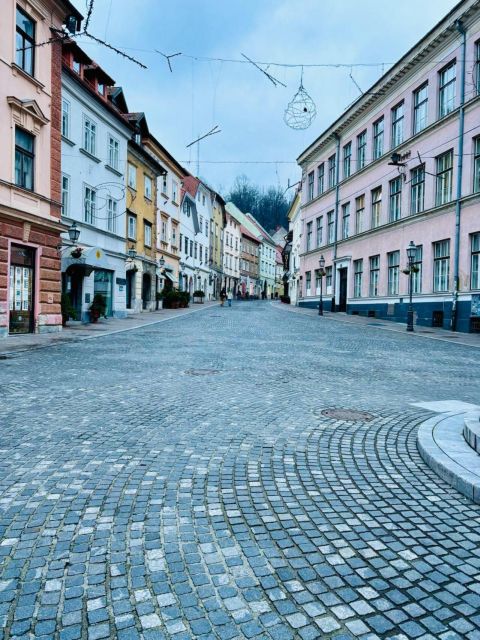
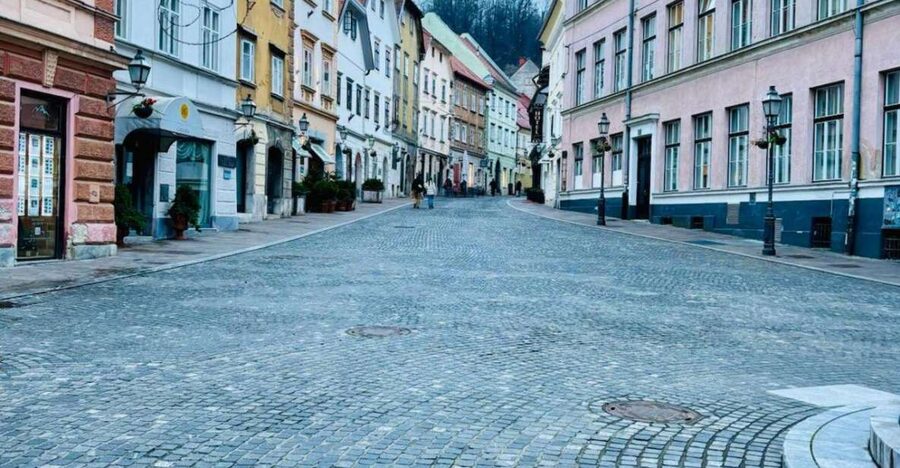
Ljubljana rewards a gentle start. The historic center is compact, and many of its key sights sit close together around the river. That makes a walking tour more useful here than a long vehicle ride. You can see the city’s shape, cross its bridges, pause in its squares, and notice how people use the center today.
This tour is built around that compact layout. You are not simply taken from one famous facade to another. The guide uses water, bridges, public spaces, culture, food, shops, and future plans to explain how Ljubljana works. That wider view gives you better bearings for the rest of your stay.
The experience begins and ends at Mestna Hiša, listed at Trubarjeva cesta 4, though the exact meeting point can depend on the option you book. Since there are two starting options and two listed drop-off options, check your confirmation carefully before setting out.
Other Ljubljana days people book alongside this one:
- Ljubljana: Postojna Cave & Predjama Castle Tickets and Tour
★ 4.9 · 2,146 reviews - From Ljubljana: Trip to Lake Bled and Bled Castle
★ 4.7 · 1,426 reviews - Postojna Cave and Predjama Castle – Entrance Tickets Included
★ 5.0 · 938 reviews
Following Ljubljana’s water from the river to the bridges
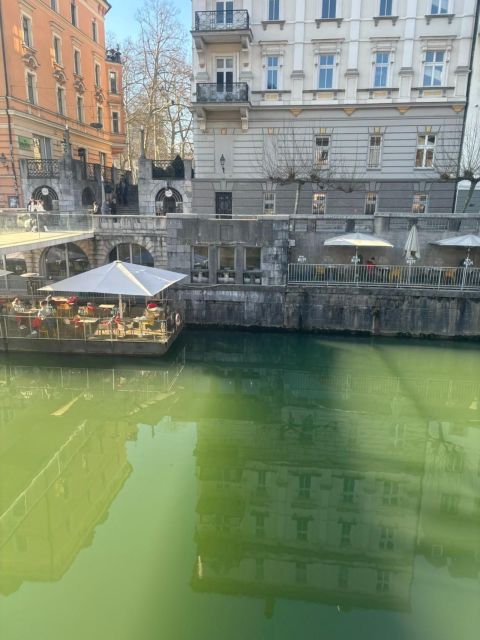
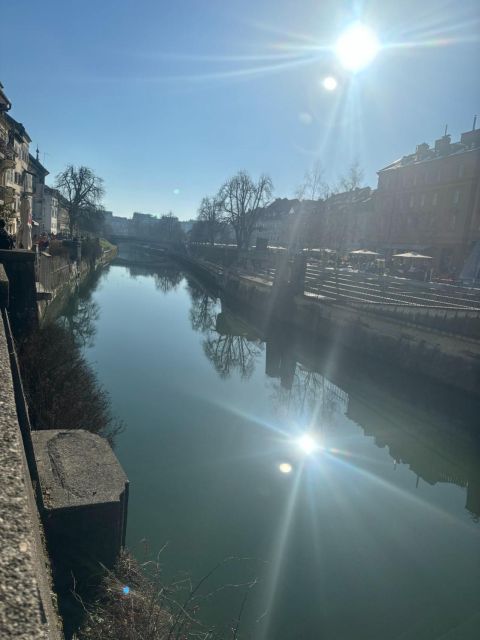
Water is the tour’s main thread. The Ljubljanica River is not just a pretty strip through the center. It helps explain the way the old town is arranged and why bridges matter so much to Ljubljana’s character.
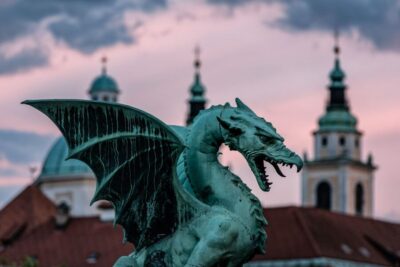
You visit the Dragon Bridge, one of the city’s best-known symbols. The dragon gives the bridge an instant visual hook, but the guide’s role is to place it within the wider story of Ljubljana. You then see the Butchers Bridge, whose name adds a more ordinary, working-city note to the grander monuments.
The route also includes Cobblers Bridge, a quieter crossing with a different feel from the Dragon Bridge. Seeing several bridges in one walk helps you compare their roles instead of treating each as an isolated photo stop.
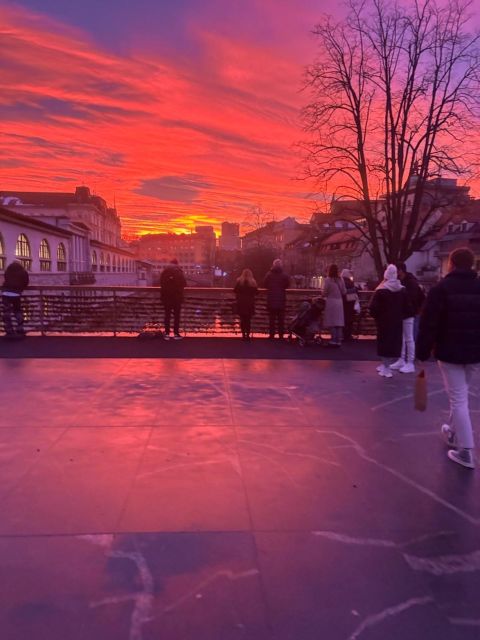
The Three Bridges area brings the river and city life together. This is one of the places where Ljubljana feels especially easy to read: crossings, open space, nearby shops, and the main square all connect. I like this part of the route because it gives you a practical sense of direction. After the tour, you will know where the river runs and how the central streets relate to it.
Bring a reusable water bottle, especially in warm weather. An umbrella is also sensible, since the tour operates outdoors and the activity information specifically recommends one.
The central market and the everyday city
The Ljubljana central market adds a useful change of pace. Historic buildings can tell you how a city once looked, but a market helps you notice how it functions now. Here, the tour connects food, shops, and restaurants with the old town’s daily rhythm.
The market is also a good place to pay attention to your surroundings. You might find that the most useful advice is not a grand historical fact, but a recommendation for where to browse, eat, or return later. Recommendations and discounts from partner businesses are included with the tour, so keep those details handy after the walk.
This part should appeal to you if you prefer local habits and city life over a string of formal monuments. It also gives the tour some balance. Ljubljana is not presented only as a preserved historic center. You get a look at the places people use in the present.
The tradeoff is that a two-hour route cannot pause at every stall or shop. If you want time to buy food or browse slowly, plan to return after the tour.
Cathedral, fountains, and the old town’s public spaces
The route continues to the cathedral and the Fountain of Three Rivers. These stops show how public art, religion, and civic pride meet in the center.
The cathedral gives the walk a more formal architectural stop. The Fountain of Three Rivers offers another way to understand how water appears in Ljubljana’s public identity. You will hear how these places fit into the city’s story, rather than simply receiving a list of construction dates.
The main square adds a human story through the love story of a Slovenian poet. That personal thread is useful because it keeps the tour from becoming a dry lecture. Cities are easier to remember when streets and monuments connect to real ambitions, relationships, and personalities.
The tour also points out important Slovenian cultural figures through their faces on old money. This is an unusual teaching device. Instead of giving you a long list of names with no context, the guide connects national culture to something you can see and remember. If you plan to visit museums or learn more about Slovenia, these names give you a starting point.
Same country, a completely different kind of day:
- Slovenia in One Day: Lake Bled, Postojna Cave and Predjama Castle
★ 5.0 · 879 reviews - Ljubljana: Lake Bled and Bohinj Tour with Savica Waterfall
★ 4.8 · 818 reviews - Ljubljana: Castle Entry Ticket with Optional Funicular Ride
★ 4.3 · 718 reviews - From Ljubljana: Lake Bled & Postojna Cave with Entry Tickets
★ 4.8 · 694 reviews
Congress Square, Star Park, and the National Library
Congress Square and Star Park provide a different kind of city space. After the narrow streets and bridges, the open square helps you see how Ljubljana makes room for public gatherings and green areas.
The tour uses these places to address a question many first-time visitors have: why Ljubljana is called the green capital of Europe. You will get the guide’s explanation, but the route also gives you a chance to judge the city through your own eyes. The contrast between historic streets, planted public spaces, and the river is part of the answer.
The National Library adds a strong cultural stop. Even without an entry ticket, its presence helps show that Ljubljana’s identity is tied to learning and national culture as much as to picturesque streets.
No admission fees are included, so treat these points as exterior sights unless your chosen tour arrangement says otherwise. The value here comes from interpretation and context, not from a museum visit.
A secret tiny street and City Hall
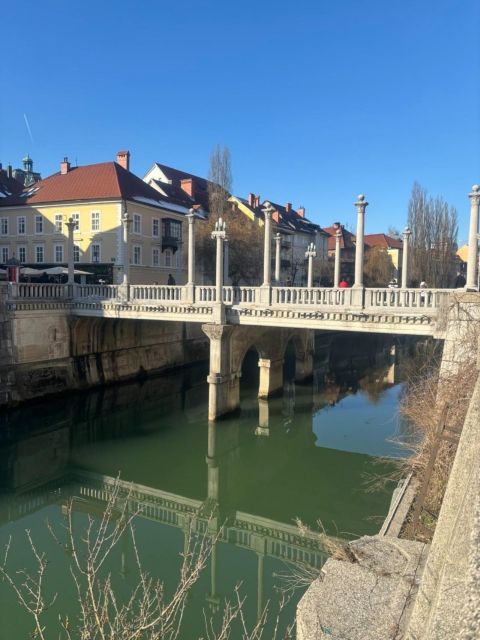
Near the end, the guide takes you to a secret tiny street. The appeal is simple: small lanes often reveal the old town better than its major squares. They show the scale of the center and give you a brief break from the main route.
The phrase secret should not make you expect a dramatic hidden attraction. Think of it as a tucked-away detail that you might miss while walking alone. That is exactly where a local guide can help. You are paying for the eyes of someone who knows what to point out, not just for a route between famous landmarks.
City Hall brings the walk back to civic Ljubljana. It connects the old town with public administration and the city’s future plans. One of the tour’s useful features is its effort to discuss how people live here now and where the city is heading. That makes the experience more than a history lesson.
The stop also works well as a final orientation point. From there, you can decide if you want to return to the market, explore more shops and restaurants, or spend time along the river.
The 1895 earthquake and Ljubljana’s changing face
Ljubljana’s story includes a major earthquake, and the tour uses that event to explain why parts of the city look the way they do today. This is important context for a first visit. Historic centers can appear unchanged, but Ljubljana also carries the marks of rebuilding and later planning.
The earthquake section helps you read the city as a place that has adapted over time. Roman beginnings and medieval streets are only part of the picture. The city has been repaired, reshaped, and planned again, while still keeping a strong historic center.
I appreciate this kind of timeline because it prevents a common mistake: assuming every old-looking street has survived untouched. The tour instead presents Ljubljana as a living city with layers.
Since the walk covers Roman times, the Middle Ages, the post-earthquake period, and current plans, the guide has a lot to fit into 120 minutes. You should expect a brisk overview rather than a specialist lecture on any single era.
Guide style and language choices
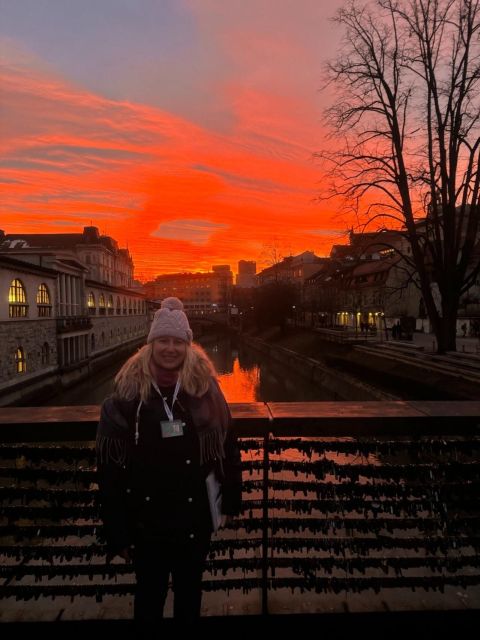
The guide can make or break a short city walk. The strongest personal detail available here is the praise for Arthur and Klemen. Arthur is described as speaking with strong passion and covering a great deal about the city. Klemen is noted for interesting facts, clear information, and an efficient route with a comfortable amount of walking.
That gives you a useful sense of the expected style. The tour aims to be lively and informative without turning two hours into a hard march. Still, individual guides have their own rhythm, and the exact balance of stories, questions, and walking may vary.
Live guiding is available in Czech, Croatian, English, German, Polish, Slovenian, Spanish, and Italian. Confirm your preferred language while booking. A private group option is also available, which may suit families or friends who want a more personal pace.
The tour is wheelchair accessible. It remains a walking activity, so you should confirm any specific mobility needs when booking, especially since the route includes bridges, public squares, and old-town streets.
Is $58 a fair price?
At $58 per person, this is not the cheapest way to stroll through Ljubljana. You can walk around the old town without paying for a guide. The question is what you want from your first two hours.
The price includes a licensed professional guide, recommendations, and discounts from partners. It does not include entry tickets, so the value rests mainly in the stories, orientation, and local pointers. If you want to understand why the river matters, how the bridges fit together, who shaped Slovenian culture, and how the earthquake changed the city, the fee can make sense.
I would see this as a good-value introduction for a first visit, especially if you have limited time. The route covers many major sights without requiring transport. It also gives you information you can use later, such as where the market is, how the bridges connect, and which squares deserve a second look.
The value is weaker if you prefer to explore alone, take long photographs, or enter attractions during the walk. In that case, use the route as a free self-guided plan and spend the $58 elsewhere.
Free cancellation up to 24 hours before the start and reserve-now, pay-later booking make it easier to fit the walk into a changing schedule. You should still check availability for the exact start time.
Who should book this Ljubljana walk?
I would recommend it to a first-time visitor who wants a clear introduction without spending half a day on a tour. It suits you if you enjoy history but also want food, shops, public spaces, and present-day city life included.
It is also a good choice for anyone who likes learning through stories. The poet’s love story, the Slovenian faces on old money, the dragons, the river, and the earthquake give you memorable handles for a city that can otherwise seem pleasantly small but hard to decode.
Families and private groups may appreciate the option to book privately. The wheelchair-accessible format broadens its use, while the two-hour length keeps the commitment manageable.
I would hesitate if you dislike walking, need frequent long stops, or want extensive interior visits. Bring comfortable shoes, a camera, cash, and a reusable bottle. Do not bring a drone, and audio recording is not allowed. Alcohol, drugs, and feeding animals are also prohibited.
Should you book it?
Book this tour if you want a fast, well-organized introduction to Ljubljana’s old town, with the river and bridges as your guide. The route covers an impressive number of central sights, and the strongest benefit is the connection between monuments, Slovenian culture, everyday life, and the city’s future.
The main caution is simple: $58 pays for guidance, not admissions or long independent stops. If that trade works for you, take the tour early in your stay. You will leave with better bearings, a list of places to revisit, and a clearer sense of why Ljubljana feels both historic and easy to live in.
FAQ
How long does the tour last?
The walking tour lasts two hours.
What is the tour price?
The listed price is $58 per person.
Where does the tour meet?
One listed starting point is Mestna Hiša, Trubarjeva cesta 4. The meeting point may vary depending on the option booked, so check your booking details.
Where does the tour end?
The listed drop-off location is Mestna Hiša, Trubarjeva cesta 4. The exact end point can depend on the option selected.
Which languages are available?
Live guiding is available in Czech, Croatian, English, German, Polish, Slovenian, Spanish, and Italian.
Is the tour wheelchair accessible?
Yes, the activity is listed as wheelchair accessible.
Are entry tickets included?
No. Entry tickets are not included in the tour price.
Can I cancel or pay later?
You can cancel up to 24 hours in advance for a full refund. Reserve-now, pay-later booking is also available.
Just added around Ljubljana
- Zagreb: Postojna Cave, Predjama Castle & Ljubljana in a Day★ 3.4 · 11 reviews
- Woop! Fun park with 21 attractions★ 4.6 · 3 reviews
- Woop! Glow golf: Ljubljana Btc City★ 4.8 · 14 reviews
- Gokart experience at Woop! karting – the fastest attraction★ 4.0 · 5 reviews
- Trieste: Ljubljana Capital of Slovenia Tour★ 4.5 · 12 reviews
- Private Zagreb Tour from Ljubljana★ 4.5 · 3 reviews
- Private Fun Park activity in Ljubljana★ 4.5 · 3 reviews
- rafting on sava river in bled slovenia, the best rafting trip in the area★ 5.0 · 14 reviews
Ljubljana Tours, compared.
Postojna Cave & Predjama Castle Tickets and Tour
Read our review →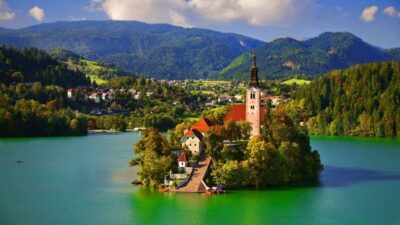
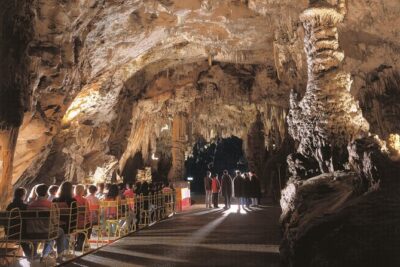
Postojna Cave and Predjama Castle – Entrance Tickets Included
Read our review →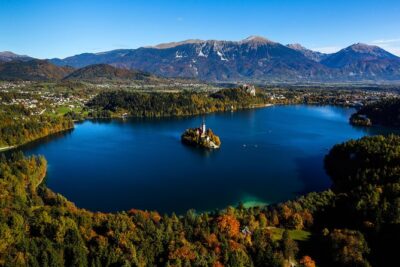
Slovenia in One Day: Lake Bled, Postojna Cave and Predjama Castle
Read our review →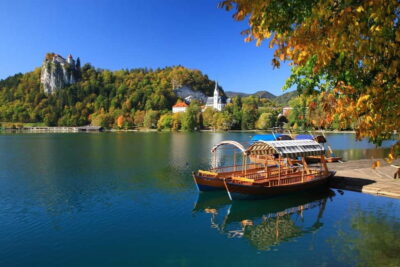
Lake Bled and Bohinj Tour with Savica Waterfall
Read our review →
Castle Entry Ticket with Optional Funicular Ride
Read our review →
Guided Walk & Funicular Ride to Ljubljana Castle
Read our review →Browse the lists this tour appears in