
Reviewed · WALKING TOURS
Sip & Step: A Flavorful Walk Through Koper’s History
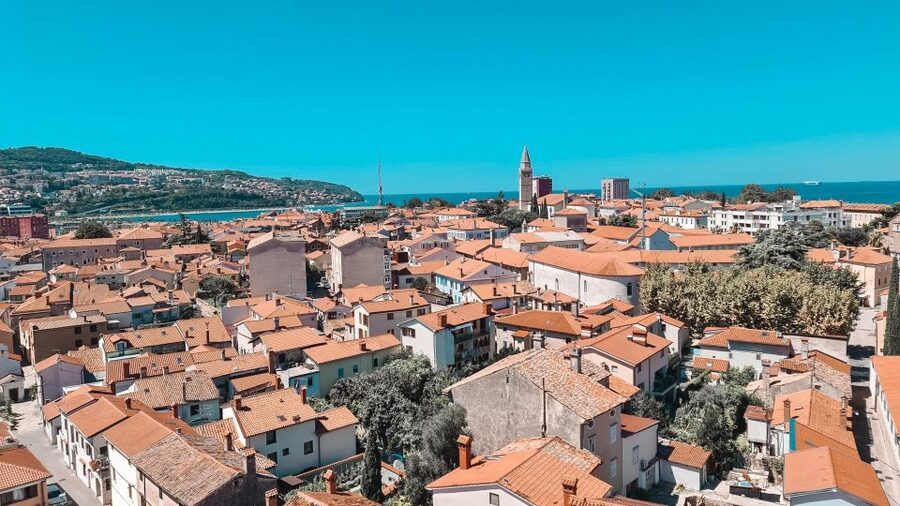
Koper’s story is written in stone, from the old Muda Gate to the grand squares shaped by Venetian rule. This walking tour gives you a useful sense of how an island settlement became a working port city, then adds local wine, olive oil, and other Istrian tastes along the way.
I like the route’s mix of quiet lanes and open waterfront, especially the stop at Carpaccio Square, linked with the final years of the Venetian painter Vittore Carpaccio. I also like that guide Ernest has been singled out for his friendly, informed approach. The main drawback is consistency: one recent outing lasted about two hours instead of three, and another had its route changed after several groups were combined.
Key points
- Muda Gate sets the scene: Enter Koper’s old town through a surviving historic gateway before following the narrow streets inward.
- The route covers major landmarks: Expect Cobbler Street, Prešeren Square, De Ponte Fountain, St. Mary of the Assumption Cathedral, Tito Square, and Carpaccio Square.
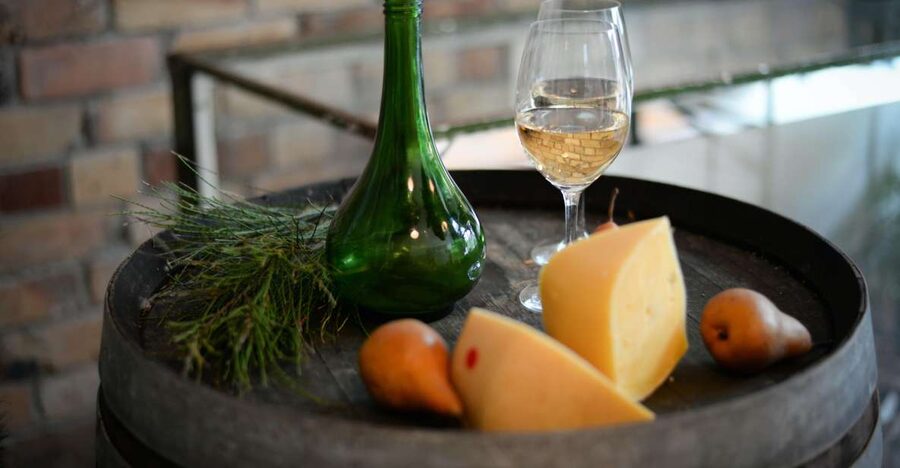
- Istrian tasting is part of the walk: Wine and olive oil are central, with liqueur, salt, air-dried ham, and cheese listed as possible local samples.
- The port helps explain modern Koper: The walk links old Venetian streets with the marina and the city’s present-day seafaring life.
- Timing may vary: The advertised duration is three hours, but one booking finished in about two, and a late start was reported.
- The meeting point suits cruise passengers: Pickup is at the cruise passenger terminal, with an English-speaking guide and wheelchair access.
From island settlement to working port
Koper is a good place for a history walk because its changes are easy to read on the ground. The old town was once an island, separated from the mainland by water. Over time, that isolated position gave way to a connected coastal city with an active port.
You do not need a long lecture to understand the shift. The route moves from defensive entrances and tight medieval streets toward broad squares, promenades, the marina, and the port area. That physical change gives the tour its central idea: Koper is not frozen in its Venetian past. It still functions as a seafaring city.
The Venetian Republic left a strong mark here. Look for the blend of Roman foundations, medieval street patterns, and Renaissance design. The buildings and squares are not presented as separate museum pieces. They form the setting for everyday life, with cafés, shops, local food, and pedestrians passing through the same spaces used for centuries.
I find this kind of orientation especially useful at the start of a Slovenia trip. Koper is smaller and easier to grasp than larger Adriatic ports, so a guide can connect the major pieces without sending you across town.
A few more Koper trips to weigh up
- From Ljubljana: Piran Trip with Historic Walking Tour
★ 4.7 · 91 reviews - Trieste: History of Prosecco and the Karst Region
★ 4.8 · 20 reviews - Historic Ljubljana Tour with Ljubljana Castle included
★ 5.0 · 11 reviews
Entering through Muda Gate and Cobbler Street
The walk begins at the cruise passenger terminal, a practical meeting point if Koper is one stop on a ship itinerary. From there, the route heads into the old town through Muda Gate, one of the clearest reminders that this was once a fortified settlement.
The gate gives you a natural beginning. Instead of starting with a broad statement about Koper’s past, you physically pass from the modern port side into the older town. That change helps you notice the narrower streets and older buildings around you.
Cobbler Street follows. Its name points to the trades that once filled the old town, and the lane helps show how compact Koper was when work, housing, commerce, and civic life all sat close together. You should expect a walking tour rather than a stop-and-go sightseeing circuit. The interest comes from looking up, noticing details, and hearing how the pieces fit.
This is also where comfortable shoes matter. The route uses old streets and squares, and you will get more from it if you are happy walking at an easy pace over historic paving.
Prešeren Square and De Ponte Fountain
Prešeren Square opens the route into a more generous public space. The De Ponte Fountain is its visual centerpiece, and the stop gives the guide a chance to explain how water, public squares, and city life shaped the old town.
The fountain is linked with Koper’s former water supply, making it more than a decorative photo stop. It points to a basic problem in an old island town: getting fresh water to residents. Details like this are valuable because they turn architecture into evidence of daily life.
From here, the tour continues through the old streets and toward larger civic landmarks. I like this part of the walk because it balances grand history with ordinary needs. You are not only hearing about rulers and art. You are also seeing how people lived in a dense coastal town.
The pace may depend on the guide and the group. Since the tour has sometimes been combined with other groups, allow room for a route that is adjusted on the day. If you have limited time before returning to a ship, confirm the expected finish time when you meet the guide.
The cathedral and Tito Square
The Cathedral of St. Mary of the Assumption is one of the route’s major architectural stops. It helps show the religious importance of Koper and the scale of the old city’s central buildings.
The tour then reaches Tito Square, the principal civic space. This is where Koper’s Venetian character comes through most clearly in the grand façades and formal layout. The square gives you a stronger sense of public power than the smaller lanes do. Government, religion, trade, and ceremony all met in spaces like this.
A guide adds real value here because a quick photograph does not explain why a square matters. You can hear how Koper’s political and commercial position changed over time, while also seeing the remains of the city’s Venetian design.
The historical material is presented as a walk through several periods rather than a single-theme tour. Roman references, the walled town, Venetian influence, and modern port life all appear. That makes the experience a good fit if you want context but do not want a full museum-style history lesson.
Same country, a completely different kind of day:
- Private Mediterranean Fish Cooking Workshop with Irena
★ 5.0 · 118 reviews - An Unforgettable Day With Fish, Wine and Olive Oil Tasting
★ 5.0 · 108 reviews - Hop & Taste Slovenian Riviera Hop-On Hop-Off & Local Bites
★ 4.0 · 76 reviews - Panoramic Tour to Piran with Sweet Surprise
★ 4.5 · 67 reviews
Down Kidričeva ulica to the marina
After the central old town, the route follows Kidričeva ulica toward the marina and Carpaccio Square. This section changes the mood. The tight lanes give way to a more open waterfront setting, and Koper’s connection with the sea becomes easier to feel.
The marina helps bridge past and present. Koper’s identity was shaped by water when it was an island, and its modern economy still depends heavily on its coastal position and port. The walk lets you see that the city’s seafaring role did not end when Venetian rule did.
The promenade is another useful contrast. It is a place to slow down, take in the waterfront, and see how the city works beyond its historic center. You are still following the old town’s story, but you are no longer looking only at monuments.
The route is not designed as a lunch tour. Lunch is not included, so plan a separate meal before or after the walk. The included food is a tasting, not a full sit-down meal.
Carpaccio Square and the final tasting
Carpaccio Square is the route’s high point. It is associated with Vittore Carpaccio, the Venetian painter who spent his final days in Koper. That connection adds an artistic layer to the city’s Venetian story and gives the walk a memorable closing location.
The square also provides a natural place to connect culture with food. Koper sits in the Istrian world, where olive oil, wine, salt, cured meat, and cheese are important parts of local eating. The tasting lets you experience that identity rather than only hear about it.
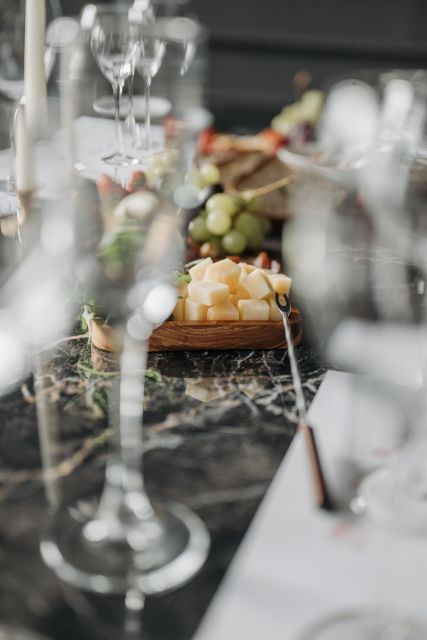
The stated tasting includes local delicacies, with liqueurs, olive oils, wines, salt, air-dried ham, and artisanal cheeses described as part of the experience. You should keep expectations flexible, though. On one recent outing, the tasting included wine and oil, plus limoncello at a liquor shop, but no cheese or meat. A separate stop for old-town street food was described as delicious, but that does not mean a full meal is included.
That variation matters if food is your main reason for booking. I would see the tasting as a pleasant introduction to Istrian products, not a guaranteed feast with a fixed menu. Wine and olive oil appear to be the safest expectations. The liqueur stop can add a fun local flavor, while salt, ham, and cheese may depend on the day’s arrangement.
What $55 gets you
At $55 per person, the tour is priced as a compact city introduction with a guided walk and food samples. The value depends on what you want from Koper.
If you are arriving by cruise ship, the direct meeting point and three-hour format can save planning time. You get a route through the principal old-town sights, historical explanation in English, and a chance to sample regional products without arranging separate tastings.
The price is less compelling if you mainly want a full meal or a long, slow food tour. Lunch is not included, and the tasting may be narrower than the full list of advertised products. You are paying mainly for the guide’s route and interpretation, with the food as an added part of the experience.
The guide can make a large difference. Ernest has been described as friendly and very well informed, and another assessment called the walk interesting, informative, and great fun. Those are strong signs for the history side of the experience, although the changing itinerary means the day’s organization also deserves attention.
One practical point is the advertised three-hour duration. A recent booking started late while the group waited for others and then lasted about two hours. Another outing had a changed route after three groups were combined, including a group originally meant to hike. If you have a firm ship departure, do not rely on the maximum listed time alone. Ask when the walk will finish and how many groups are being joined.
Who will get the most from this walk
I would choose this experience if you want a first look at Koper with a clear historical thread. It suits cruise passengers, first-time visitors, couples, and anyone who likes to connect architecture with local food.
It also works well for people who prefer a moderate walking experience over a long excursion into the surrounding countryside. The route stays focused on Koper’s old town, marina, promenade, and nearby landmarks.
Food-focused visitors should book with a little caution. The tasting is worthwhile as a sample of Istrian flavors, but the exact selection can change. If you need cheese, meat, or a substantial lunch, you should not assume those will be provided.
The tour is listed as wheelchair accessible, which is useful information for planning. Still, the route includes historic streets and squares, so you may want to confirm the day’s exact path with the provider if surface conditions or the altered itinerary matter to you.
The English-language format is straightforward. No other languages are listed, so this is best for people who want the tour conducted in English.
A few smart ways to plan your day
Meet at the cruise passenger terminal with enough time to find the guide before the stated start. The tour is designed around that location, but the delayed start reported on one outing suggests that the group may not move off immediately.
Wear shoes suited to old-town streets, and carry water. The walk passes through lanes, squares, the marina, and the promenade, so you will be outdoors for much of the experience.
Treat the tasting as a supplement rather than lunch. You can enjoy the local products more if you are not expecting them to replace a meal.
If you are deciding between a short independent stroll and this guided walk, the guide is the main reason to pay. Koper’s old town is pleasant to wander, but the island-to-port story, Venetian details, and links between landmarks are easier to grasp with someone explaining them.
The strongest part of the experience is the combination of place and context. Muda Gate, Tito Square, the cathedral, and Carpaccio Square are more meaningful when you understand how Koper changed around them. The food adds a welcome sensory note, even if the selection is not always the same.
Should you book Sip & Step?
Book it if you want a convenient introduction to Koper, value an English-speaking guide, and like the idea of pairing Venetian architecture with Istrian wine and local products. Ernest’s friendly, informed guiding is a real plus, and the route covers the city’s most useful landmarks without requiring a full day.
Think twice if your schedule is tight or if you expect exactly three hours and a complete food spread. Confirm the start and finish time, and ask what will be included in the tasting. For a cruise stop, the tour offers good structure and local flavor at $55. For independent visitors with plenty of time, you may prefer to walk the old town yourself and spend your budget on a longer meal.
FAQ
Where does the tour meet?
The meeting point is the cruise passenger terminal in Koper.
How long does the tour last?
The advertised duration is three hours. A recent outing lasted about two hours, and one tour started late while waiting for other participants, so confirm the expected timing on the day.
What language is the tour offered in?
The live tour guide conducts the experience in English.
What sights are included?
The route includes Muda Gate, Cobbler Street, Prešeren Square, De Ponte Fountain, Kidričeva ulica, the marina, Carpaccio Square, the Cathedral of St. Mary of the Assumption, Tito Square, and the promenade.
What food and drink are included?
A tasting of local delicacies is included. The listed products include liqueurs, olive oil, wine, salt, air-dried ham, and artisanal cheese, though the exact selection may vary. Lunch is not included.
Is the tour wheelchair accessible?
Yes, the activity is listed as wheelchair accessible.
How much does the tour cost, and can I cancel?
The price is $55 per person. You can cancel up to 24 hours in advance for a full refund, and you can reserve now and pay later.
Just added around Koper
- Wine Tasting with Cold Cuts★ 5.0 · 13 reviews
- Wine Degustation in the Heart of Slovenian Istria★ 5.0 · 3 reviews
- Group tour to Postojna Cave from Koper – with unique cave train★ 4.5 · 20 reviews
- Postojna Cave & Predjama Castle – Small Group Tour from Koper★ 4.5 · 5 reviews
- Lake Bled & Ljubljana – Shore Excursion from Koper★ 4.0 · 5 reviews
- Postojna Cave & Predjama Castle – Shore Excursion from Koper★ 4.5 · 12 reviews
- Slovenian coast Koper, Izola, Piran – Parenzana electric biking tour from Koper★ 5.0 · 5 reviews
- Shared group tour to UNESCO Skocjan caves from Koper★ 4.5 · 3 reviews
Walking Tours, compared.
Guided Walk & Funicular Ride to Ljubljana Castle
Read our review →
Piran Walking Tour with Local Wine and Food Tasting
Read our review →
Ljubljana 2Hours and 30Minute Walking Tour with Local Guide
Read our review →Browse the lists this tour appears in