
Reviewed · COOKING CLASSES
Slovenia: Belokranjska Pogača Cooking Class
Belokranjska Pogača is more than a loaf of bread. It is a warm, savory specialty from Slovenia’s Bela Krajina region, and this two-hour cooking class lets you make it with your own hands. Luka guides you through the dough, explains the food’s place in Slovenian culture, and shares stories about the country while you wait for the bread to rise and bake.
I like two things right away: the class is properly hands-on, not a cooking demonstration where you watch from the sidelines, and the small group limit of 10 leaves room for real help. Luka also speaks excellent English, according to the experience details and participant accounts, which makes the cultural conversation as useful as the baking lesson.
The main consideration is location. The meeting point can take a little finding, with a small square, an old church, a Chinese restaurant, a passageway, and a broken concrete fountain serving as landmarks. Give yourself extra time, especially if you are arriving for the first time.
Key points to know before booking
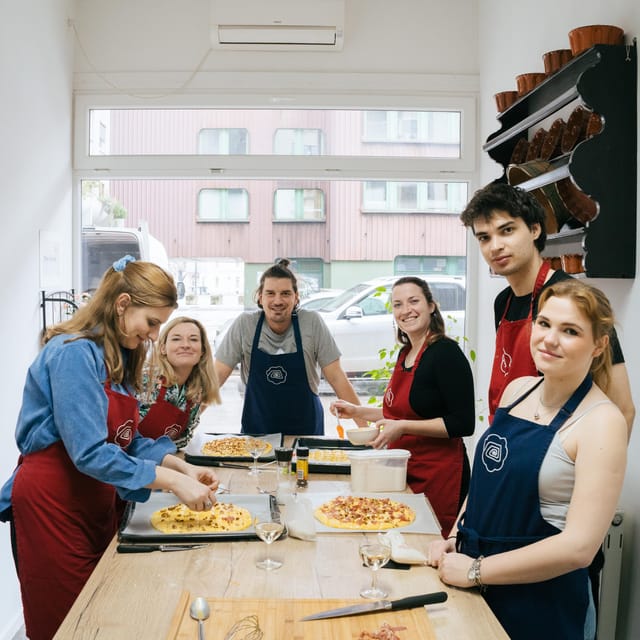
- You make the bread yourself: Knead, roll, shape, and bake your own Belokranjska Pogača rather than simply sampling one.
- Luka adds local context: The class includes conversation about Slovenian food, people, history, and scenery, not only instructions at the worktable.
- It is a small-group experience: The maximum group size is 10, and solo bookings may become private classes when no one else reserves.
- The finished bread is part of the reward: You taste the warm Pogača you helped prepare, with drinks offered during the session.
- The meeting point needs attention: Look for the square with the broken concrete fountain and the shop with the large clear window.
- The price includes the essentials: At $53 per person, ingredients, equipment, instruction, baking, and tasting are covered.
Why Belokranjska Pogača makes a good Slovenian food experience
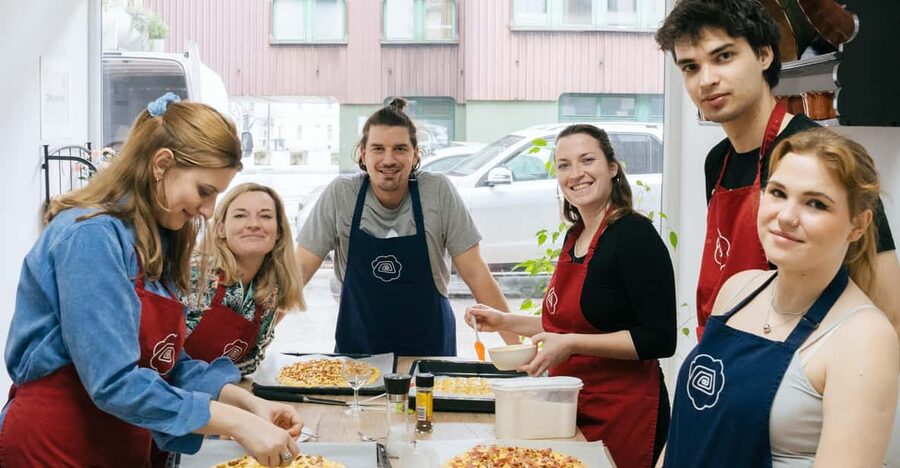
Many food classes teach a recipe. This one gives you a small piece of regional identity to take home in your memory and, if your dough behaves, in your baking habits.
Belokranjska Pogača comes from Bela Krajina, an area of southeastern Slovenia. The bread is savory, simple, and closely tied to home cooking and shared meals. That simplicity is part of its charm. You are not working through a long restaurant menu or chasing fancy decoration. You are learning how flour, yeast, herbs, and patient handling become something people gather around.
The class begins with an explanation of the bread’s cultural importance. That matters because the recipe makes more sense when you know it is connected with family meals, celebrations, community, and Slovenian tradition. You are not just learning what to do with the dough. You are learning why this particular bread belongs in Slovenia’s food story.
I especially like this format for visitors who want a break from sightseeing. Two hours at a kitchen table can tell you things about a country that a quick stop at a major attraction cannot. Food creates an easy way to talk about daily life, local customs, and regional differences.
A few more Ljubljana trips to weigh up
- Ljubljana: Traditional Slovenian štrukelj Cooking Class
★ 4.9 · 58 reviews - Gažon to Istria: Truffle Hunting, Cooking & Tasting
★ 4.9 · 43 reviews - sLOVEnian Strukelj Traditional Cooking Class
★ 4.0 · 10 reviews
Meeting Luka at the small kitchen
The class is led by Luka, who has been praised for clear explanations, warm hosting, and strong English. He is also described as comfortable working with children and teenagers, making this a practical choice for families rather than an adults-only cooking session.
You meet in a light, pleasant shop or kitchen space with a large clear window. The exact directions deserve careful reading. Once you reach the area, search for a small square surrounded by buildings. A broken concrete fountain sits in the middle. You can approach near the old church and Chinese restaurant, or use a small passageway in the building near the bus stop.
That sounds more complicated than it is, but it is not a meeting point I would leave to chance. Save the directions before you arrive, and allow a few spare minutes. If you need afternoon parking, call Luka through WhatsApp. In the morning, free spaces may be available on the platform behind the building.
The class is wheelchair accessible. English and Slovenian are the available teaching languages. If you are coming from central Ljubljana, one participant found the location easy to reach by bus, though the provided information does not specify a particular route or travel time.
Kneading, rolling, and shaping the dough
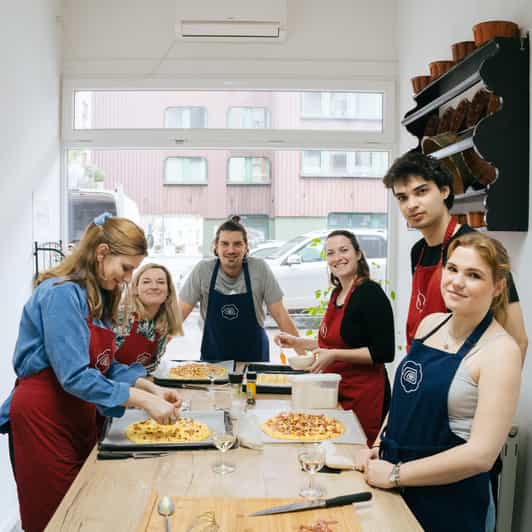
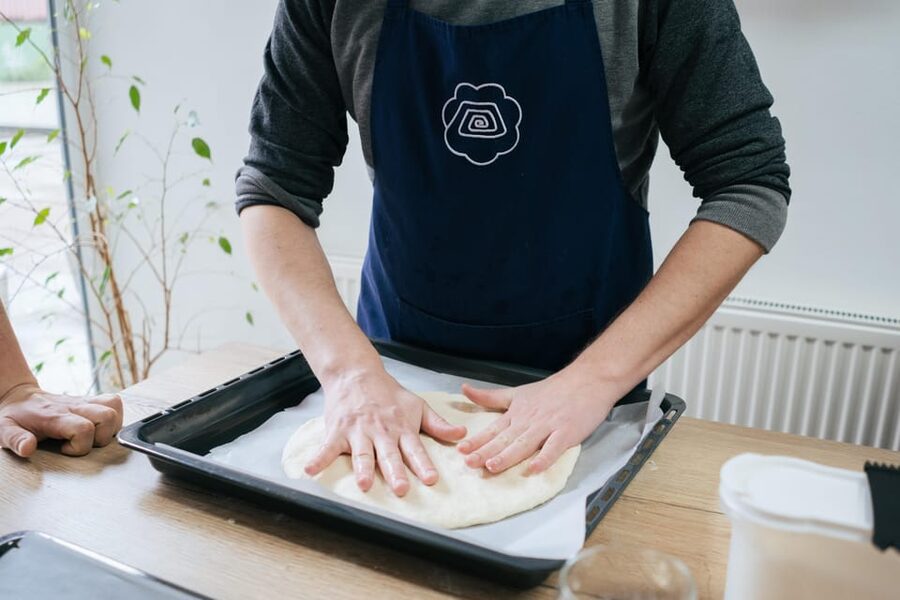
The useful part of the class is that you do not skip the basic work. You learn how to handle the dough directly, with Luka showing you how to knead, roll, and shape it.
For a first-time baker, this is where the activity earns its price. Bread can look simple on the plate, but the texture depends on small choices: how you work the dough, how gently you shape it, and how you judge its readiness. Luka’s role is not just to hand you a recipe. He guides your hands through the process so the finished bread feels like your own achievement.
The supplied ingredients and cooking equipment are included, so you do not need to shop or prepare anything in advance. You can arrive ready to work. The class is also suitable for people who enjoy food but do not consider themselves skilled cooks. The instructions are given step by step, and one participant specifically described leaving the class feeling like a capable baker.
That is an important distinction. You should not expect a professional pastry course, but you can expect a practical introduction to one Slovenian bread. The lesson is focused on Belokranjska Pogača rather than a broad survey of Slovenian recipes.
Waiting for the bread, with Slovenian stories
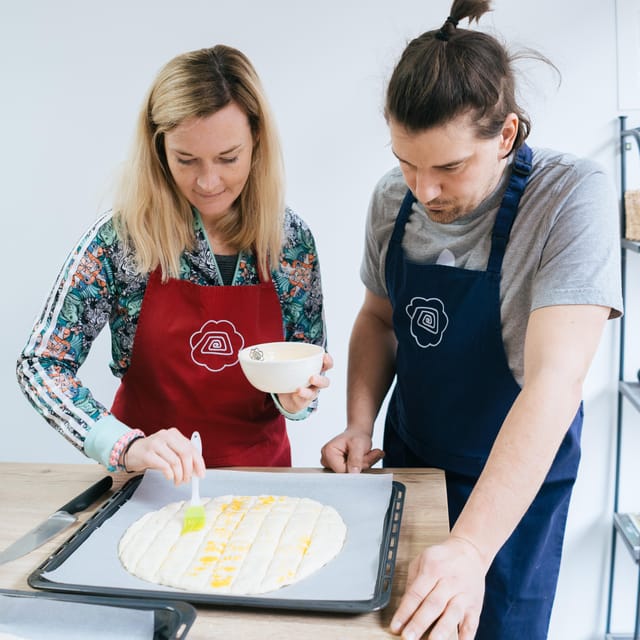
Bread making includes pauses. The yeast needs time, the dough must rise, and the shaped Pogača needs to bake. Instead of treating these moments as dead time, Luka uses them to talk.
This is when the class broadens beyond cooking. Conversation may cover Slovenia, its people, its history, and its scenery. Slovenian wine is also offered while you wait. The wine is not presented as a separate tasting program, so you should book this for the bread and cultural conversation first, with the drink as a pleasant extra.
I like this slower rhythm. You get time to ask questions instead of racing through a fixed series of dishes. It also makes the activity social without forcing you into a loud or crowded setting. With up to 10 people, you may meet other food enthusiasts, but the group remains small enough for the instructor to keep an eye on the dough and the people working it.
Solo visitors should pay attention to the possibility of a private class. One person who booked alone received an individual session with Luka. That can be a real advantage if you want to ask many questions, need extra help with baking, or prefer a quieter activity. It is not guaranteed for every booking, but the small group format makes a personal experience possible.
Same country, a completely different kind of day:
- Ljubljana: Postojna Cave & Predjama Castle Tickets and Tour
★ 4.9 · 2,146 reviews - From Ljubljana: Trip to Lake Bled and Bled Castle
★ 4.7 · 1,426 reviews - Postojna Cave and Predjama Castle – Entrance Tickets Included
★ 5.0 · 938 reviews - Slovenia in One Day: Lake Bled, Postojna Cave and Predjama Castle
★ 5.0 · 879 reviews
Baking and tasting your own Pogača
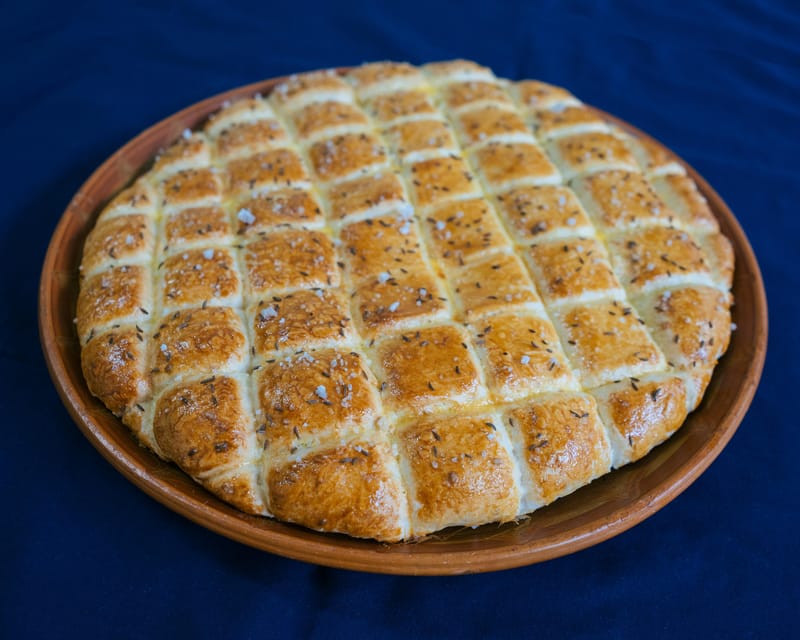
The final stage is the best kind of cooking-class payoff: you eat what you made.
As the Pogača bakes, you wait for a golden crust and a soft interior. The bread is savory, with herbs adding fragrance and flavor. You tear into it while it is warm, which gives the tasting a direct connection to the work that came before. You have handled the ingredients, shaped the dough, watched it change, and now get to judge the result yourself.
This also makes the class a good birthday activity or surprise outing. One father joined as part of a birthday trip arranged by his daughter and found the class more enjoyable and interesting than expected. That detail says something useful about the experience: you do not need to arrive as a serious food lover. The cultural stories and relaxed hosting give the session enough variety for someone who simply wants a fun shared activity.
The result may not look like a bakery display piece, and that is fine. The point is learning the method and enjoying the bread. You leave with a skill you can try again, along with a better sense of how a regional Slovenian food fits into ordinary life.
What the $53 price covers
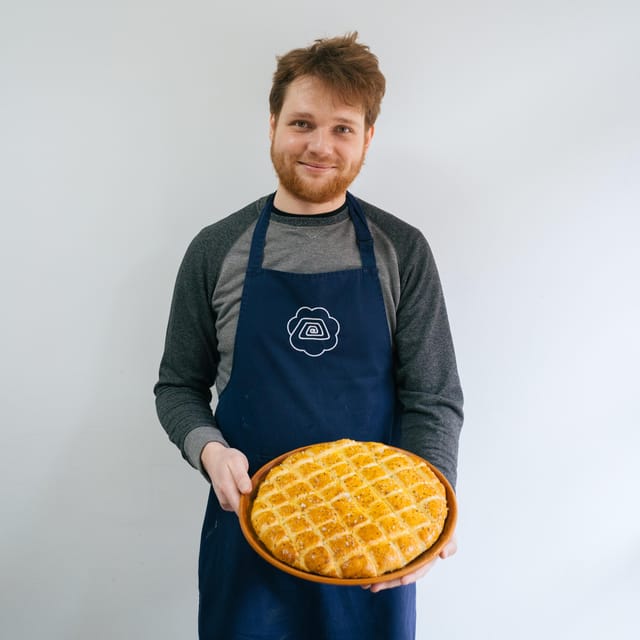
At $53 per person, the class sits in the reasonable range for a two-hour activity that includes instruction, ingredients, cooking equipment, baking, tasting, and drinks. You are paying for more than the food itself. The value comes from the combination of a finished dish, personal guidance, and cultural conversation.
A cheaper option would be to buy bread from a shop. That would also take far less time. But it would not show you how the dough is made, and it would not give you access to Luka’s explanations about Slovenia. If you are comparing this with a standard sightseeing stop, the class offers a more active memory and a skill you can use later.
The value is strongest for couples, families, solo visitors, and small groups who enjoy participating rather than observing. It is less compelling if you are looking for a full meal, several different recipes, or a long culinary tour. The class centers on one bread and gives it proper attention.
The price also benefits from the group limit. A class of 10 is not intimate in the same way as a private lesson, but it is far more manageable than a large demonstration. You should have a fair chance to follow the steps and ask for help.
Who should book this class?
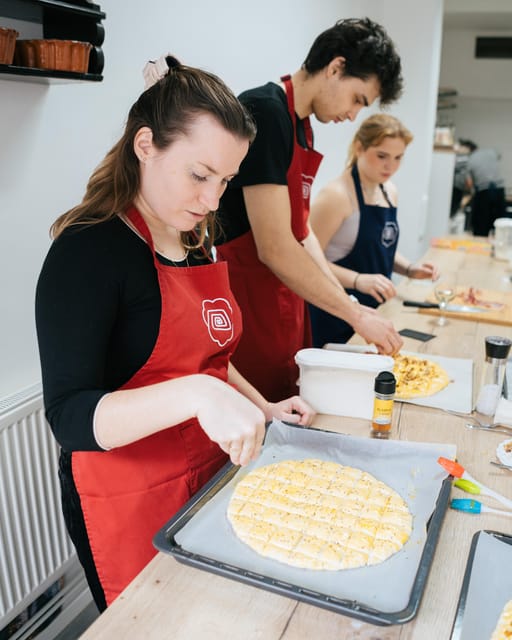
I would put this near the top of the list for anyone interested in Slovenian food and everyday culture. It gives you a clear regional specialty, a practical activity, and time to speak with someone who can explain more than the recipe.
Families are a particularly good match. Luka is comfortable teaching children and teenagers, and the work has a clear beginning, middle, and end. Young participants can knead and shape the dough, then enjoy the satisfaction of eating it later.
It also suits solo visitors. The location is reachable from central Ljubljana by bus according to the available information, and a solo reservation may result in a private lesson. That can make the experience feel personal without requiring you to organize a group.
I would also recommend it as a birthday surprise or a low-key couple’s activity. You work together, have time to talk, and finish with something warm to share. The experience does not depend on perfect weather, which is useful when you need an indoor plan.
You may want to choose another activity if you have severe time pressure. The class lasts two hours, but you also need to account for finding the meeting point and getting there. It is best treated as a scheduled experience, not something to squeeze between two tightly timed attractions.
Practical details that affect your day
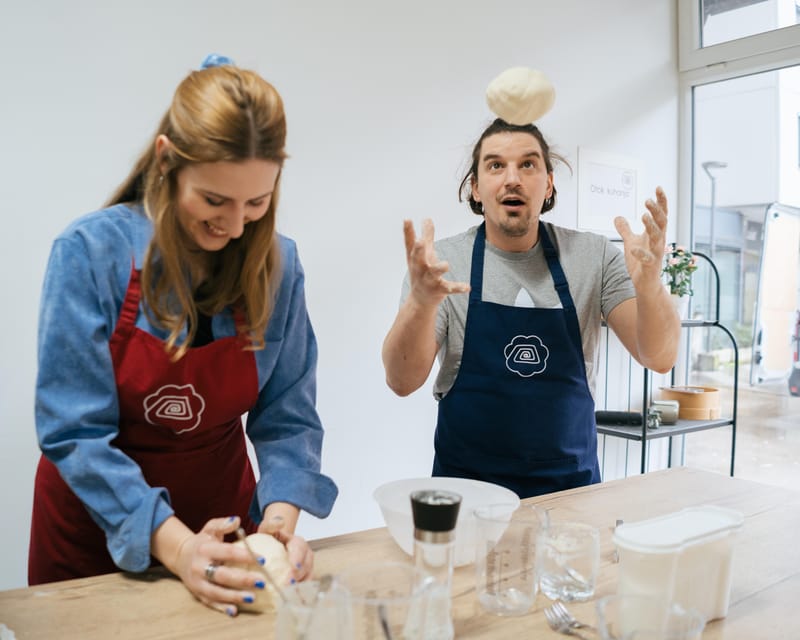
The activity lasts two hours, with starting times available according to the date you choose. The group size is limited to 10, and instruction is offered in English and Slovenian.
All cooking equipment and ingredients are included. You do not need to bring baking tools. Comfortable clothing is sensible because this is a hands-on session, though no special clothing requirement is provided.
The activity can be canceled up to 24 hours ahead for a full refund. You can also reserve now and pay later, which helps if your Slovenia plans are still shifting. Check the available start times before booking, since the class needs to fit your transport and sightseeing schedule.
If you are driving, parking is the detail to plan first. In the afternoon, contact Luka for help through WhatsApp. In the morning, look for free spaces on the platform behind the building. If you are using public transport, the bus stop is one of the meeting-area landmarks, but confirm the route separately before setting out.
Should you book the Belokranjska Pogača class?
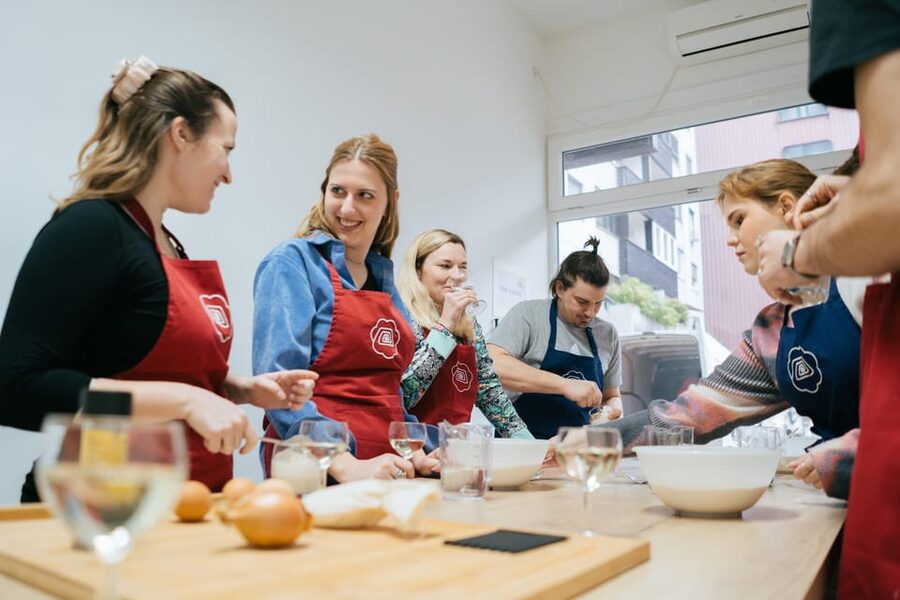
Book it if you want a small, personal food experience that connects a simple Slovenian bread with local culture. Luka’s clear English, patient teaching, and willingness to talk about Slovenia add real value, while the chance to bake and taste your own Pogača keeps the class active.
The $53 price is fair when you count the ingredients, equipment, instruction, tasting, and two hours of conversation. Just allow extra time to find the square and confirm your transport.
Skip it if you want a large meal, several recipes, or a formal wine tasting. But if your ideal activity includes flour on your hands, a warm loaf at the end, and a better understanding of Slovenian life, this is an easy choice.
FAQ
Where does the Belokranjska Pogača cooking class take place?
The class takes place in Central Slovenia at a shop or kitchen near a small square. Look for a broken concrete fountain, a large clear window, the old church, and the nearby bus stop.
How long does the cooking class last?
The class lasts two hours. Starting times vary, so check availability for your chosen date.
How much does the experience cost?
The listed price is $53 per person.
Who teaches the class?
The class is led by Luka, with instruction available in English and Slovenian. The experience provider is Polak Tomaž.
Is the class suitable for children?
Yes. Luka is described as able to work with children and teenagers, making the class suitable for families.
What is included in the price?
The price includes the hands-on class, ingredients, cooking equipment, an introduction to the cultural background of Belokranjska Pogača, baking, and tasting your own bread.
Can I cancel or pay later?
You can cancel up to 24 hours in advance for a full refund. Reserve now and pay later is also available.
Just added around Ljubljana
- Zagreb: Postojna Cave, Predjama Castle & Ljubljana in a Day★ 3.4 · 11 reviews
- Woop! Fun park with 21 attractions★ 4.6 · 3 reviews
- Woop! Glow golf: Ljubljana Btc City★ 4.8 · 14 reviews
- Gokart experience at Woop! karting – the fastest attraction★ 4.0 · 5 reviews
- Trieste: Ljubljana Capital of Slovenia Tour★ 4.5 · 12 reviews
- Private Zagreb Tour from Ljubljana★ 4.5 · 3 reviews
- Private Fun Park activity in Ljubljana★ 4.5 · 3 reviews
- rafting on sava river in bled slovenia, the best rafting trip in the area★ 5.0 · 14 reviews
Cooking Classes, compared.
Private Mediterranean Fish Cooking Workshop with Irena
Read our review →
Istria – Truffles: Hunting & Cooking & Tasting, Slovenia
Read our review →
Gažon to Istria: Truffle Hunting, Cooking & Tasting
Read our review →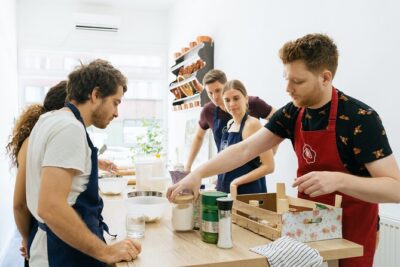
Browse the lists this tour appears in