

Reviewed · LJUBLJANA TOURS
Coffee Sensory Training in Ljubljana
Coffee becomes far more interesting when you stop judging it as simply good or bad. In this seven-hour Ljubljana workshop, you learn to separate sweetness, acidity, bitterness, aroma, and body, then use those senses to assess coffee like a professional. The course ends with a theory and practical exam for the CSP Sensory Skills Foundation certificate.
I like the serious training and the small, private format. Only your group takes part, so you can ask Lev, the instructor, detailed questions without worrying about a large class. I also like that the course includes both tasting practice and an internationally recognized qualification, not just a casual coffee event.
The main caution is the amount of coffee involved. You are advised to spit out samples, but one participant still felt dizzy by the end. If caffeine affects you, pace yourself, use the bottled water, and treat the tasting as sensory work rather than a long coffee-drinking session.
Key points to know before booking
- Seven hours of focused tasting: This is a full training day, not a quick Ljubljana coffee stop.
- Lev leads the course: You can ask him about coffee throughout the session, from tasting methods to flavor profiles.
- Basic taste calibration comes first: You practice identifying core tastes before judging coffee samples.
- Aromas are part of the training: The course teaches you to recognize the smells that shape coffee’s character.
- Theory and practical exams are included: Successful participants can work toward the CSP Sensory Skills Foundation certificate.
- Plan for a caffeine strategy: Samples may add up, so spit rather than swallow when possible and take breaks.
What this Ljubljana coffee course actually teaches
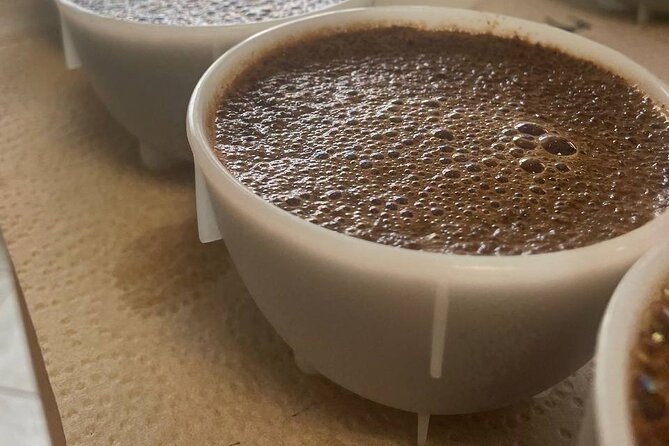
This experience is built around sensory training, not coffee sightseeing. You spend the day learning how your own senses work, then apply that awareness to coffee.
That distinction matters. Many coffee activities focus on brewing methods or the story behind a bean. Here, the central question is different: What exactly are you tasting and smelling, and how can you describe it clearly?
You begin by calibrating your perception of basic tastes. The goal is to recognize differences in sweetness, acidity, bitterness, and related sensations instead of treating every strong or sour note as simply a flaw. This gives you a common starting point before you assess coffee.
You then work with aromas. Coffee can suggest many smells, but identifying them takes practice. The course helps you notice subtle differences in aroma and connect them to the coffee’s overall profile.
The final stage brings these skills together. You evaluate coffee samples, record what you perceive, and take both a theoretical and practical exam. That structure gives the day a clear purpose and makes it useful for someone who wants more than a pleasant afternoon with a cup in hand.
A few more Ljubljana trips to weigh up
- 2-Hour Specialty Coffee tasting in Ljubljana
★ 5.0 · 12 reviews - Coffee Tasting Experience
★ 5.0 · 4 reviews - Introduction to the Specialty Coffee world in Ljubljana
★ 5.0 · 3 reviews
A seven-hour schedule built around your senses
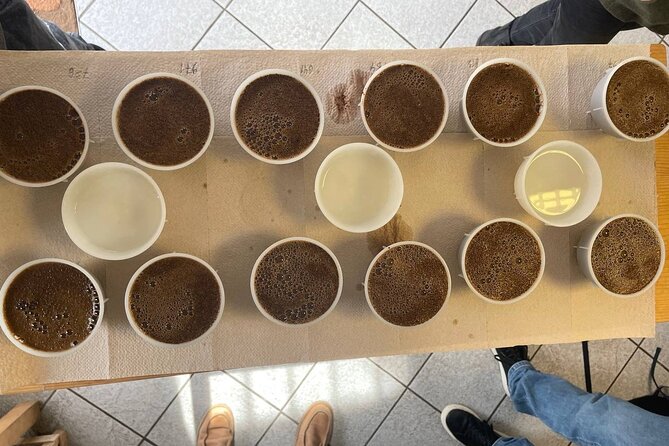
The workshop starts at 10:00 am at Dunajska c. 61 in Ljubljana. Since the activity lasts about seven hours and finishes back at the same meeting point, plan to give it most of your day.
The first portion focuses on how sensory evaluation works. You learn how to pay attention to taste and aroma rather than rushing to a personal opinion. This can feel surprisingly demanding. Your first impression is often broad, while trained tasting asks you to slow down and sort out smaller details.
The basic taste calibration is especially useful. It gives you a way to compare your impressions with a known reference instead of relying only on instinct. If you have ever wondered why one coffee tastes sharp, heavy, sweet, dry, or bitter, this stage helps put those reactions into clearer terms.
After that foundation, the course moves toward coffee samples. You train to identify subtle nuances and describe a coffee’s aroma profile. The point is not to guess a fancy flavor name at random. It is to make a careful observation and support it with the sensory evidence you notice.
The practical work requires concentration. Coffee tasting is active, repetitive work, and your palate can tire. Bottled water and snacks are included, which is helpful during a long session. Lunch is not included, so you should plan around that fact before arriving. The information provided does not specify a lunch break or nearby food option, so do not count on the course supplying a midday meal.
The day finishes with the theoretical and practical exam. This adds pressure, but it also gives the training a useful shape. You are not only sampling coffee. You are preparing to show that you understand the key ideas and can apply sensory skills in practice.
Why Lev matters to the experience
The instructor is Lev, and his role appears to be a central part of the workshop. You are encouraged to ask him coffee questions throughout the day, which is important in a subject where small details can be hard to explain from a printed guide alone.
A good sensory teacher does more than list flavor terms. You need someone who can help you understand why two people may notice different things, how to test your first impression, and how to describe a sample without overclaiming. The supplied comments point to Lev’s expertise and passion, but the more practical takeaway is this: book the course if you want an instructor-led discussion rather than a fixed script.
The private format helps here. Only your group participates, so you can ask questions at your own pace. A couple could make good use of that arrangement, especially if one person is already comfortable with coffee and the other is just starting to pay attention to flavor.
The tradeoff is that a private course can feel intense if you hoped for a relaxed, social event with many people. The friendly atmosphere reported for the session is encouraging, but the seven-hour length and exam mean this is still a serious class.
Learning to taste instead of simply drink
The most valuable change is learning to separate enjoyment from evaluation. You can love a coffee and still identify bitterness, or dislike a coffee while accurately describing its aroma and acidity.
That discipline is useful at home. It can help you compare beans, choose coffee in a café, or understand why a familiar brew tastes different from one day to the next. You do not need to work in the coffee trade to benefit from better sensory vocabulary.
The course also teaches restraint. During a normal coffee break, you swallow each cup and move on. During sensory training, the aim is to assess the sample. Spitting allows you to keep working without taking in every serving, although it does not remove all of the caffeine from the session.
This is the clearest practical warning from the experience. One participant found the sheer amount of coffee too much and felt dizzy by the end, even after being advised to spit it out. I would take that seriously. Drink the included water, use the snacks, spit samples when appropriate, and tell the instructor if you need a pause. Do not arrive expecting to consume seven hours’ worth of coffee.
The supplied information does not state how many coffees you will taste, so I would not assume a fixed number. The exact quantity may depend on the private group and the teaching pace.
Same country, a completely different kind of day:
- Ljubljana: Postojna Cave & Predjama Castle Tickets and Tour
★ 4.9 · 2,146 reviews - From Ljubljana: Trip to Lake Bled and Bled Castle
★ 4.7 · 1,426 reviews - Postojna Cave and Predjama Castle – Entrance Tickets Included
★ 5.0 · 938 reviews - Slovenia in One Day: Lake Bled, Postojna Cave and Predjama Castle
★ 5.0 · 879 reviews
The aroma work is more than a guessing game
Aroma is often the hardest part for beginners. Taste gives you a few broad signals, but smell can seem vague or personal. The course addresses this by training you to notice which aromas can be found in coffee and to distinguish small changes in the aroma profile.
You may find that the first pass feels easier than the second. Once you start comparing samples, your nose has more work to do. The useful skill is not naming every possible scent. It is learning to notice a difference and describe it consistently.
That is where the formal structure pays off. You calibrate your senses before applying them to coffee, then practice with actual samples. The method gives you a better chance of recognizing a genuine pattern rather than inventing a clever description after the fact.
If you are already a coffee enthusiast, this may be the part you appreciate most. It moves you beyond roast level and strength, two labels that can hide a lot of detail. If you are new to sensory work, expect some uncertainty at first. You are being trained to improve your perception, not tested on whether you were born with an expert palate.
What the certificate adds
The CSP Sensory Skills Foundation certificate gives the day a concrete outcome. You take a theory exam and a practical exam, and the qualification is described as internationally recognized within the Specialty Coffee Certificate system.
That can matter if you want a foundation for further coffee study, café work, roasting, or sensory evaluation. It also gives serious hobbyists a structured milestone. Instead of leaving with only general impressions, you have completed an assessment tied to a named certificate.
Still, you should be clear about what this is. The foundation level is an entry point, not proof that you are an advanced coffee professional. The information provided does not state the passing score, certificate delivery time, retake policy, or exact exam format. If those details affect your decision, ask Specialty Kava Slovenia before booking.
The exam can also change the mood of the day. Some people like having a target and a final test. Others prefer a loose workshop with no performance element. Choose this experience because you want structured learning, not simply because you enjoy drinking coffee.
Is $355.04 a fair price?
At $355.04 per person, this is an expensive coffee activity. You are paying far more than you would for a tasting flight or a café workshop lasting an hour or two.
The price makes more sense if you value the full seven-hour training day, private participation, guided sensory practice, exam preparation, and the chance to earn the CSP Sensory Skills Foundation certificate. Coffee, tea, bottled water, and snacks are included, which covers the basic refreshments, but lunch is not.
For a professional or serious student, the certificate and focused instruction may justify the cost. For a casual coffee fan who wants to try unusual brews while sightseeing in Ljubljana, it may not. You could spend less on several café visits and still enjoy good coffee, but those visits would not give you the same structured method or assessment.
The private format is also part of the value. You are not paying to join a large public demonstration. Your group has the instructor’s attention, which can make the question-and-answer time more useful. The value depends heavily on how much you want personal instruction and formal progress.
I would compare the price with your purpose. If you want a credential or plan to use sensory skills at work, it is easier to justify. If you are in Ljubljana for a short break and have only a few free hours, the duration and cost may be too much.
Who will enjoy this most
This course is a good match for:
- Coffee professionals seeking a sensory foundation
- Home brewers who want a more exact way to compare coffee
- Coffee fans interested in aromas, taste calibration, and evaluation
- Couples who prefer a private activity and enjoy learning together
- People considering further Specialty Coffee Certificate study
It may be less suitable if you dislike caffeine, have little patience for repeated tasting, or want a relaxed social event with no exam. The provider accepts people over 18 for coffee-related workshops, so this is an adult activity even though there is no general age limit for drinking coffee.
You should also be ready to sit, concentrate, smell, taste, and discuss coffee for much of the day. This is not a sightseeing tour through Ljubljana, and no city attractions are part of the stated program.
Meeting point and planning advice
The meeting point is Dunajska c. 61, 1000 Ljubljana, Slovenia. The location is near public transportation, which makes it easier to reach without arranging a private car. The activity begins at 10:00 am and ends back at the meeting point.
Confirmation is provided when you book, and the ticket is mobile, so you can keep the booking on your phone. Arrive with enough time to find the address and settle in before the 10:00 start.
Wear something comfortable for a long instructional session. The supplied details do not specify a dress code, equipment list, parking, or accessibility arrangements, so contact Specialty Kava Slovenia if any of those points matter to you.
Free cancellation is available if you cancel at least 24 hours before the local start time. Changes or cancellations inside that window are not accepted for a refund, so check your plans before the deadline.
My verdict on this Ljubljana coffee experience
Book it if you want to learn how professionals assess coffee and you like the idea of leaving with a recognized foundation certificate. Lev’s instruction, the private setup, taste calibration, aroma training, and practical exam give the day more substance than a standard tasting.
Think twice if you mainly want a fun coffee stop during a busy city visit. Seven hours is a long commitment, the price is high, lunch is not included, and the caffeine load can be real even when you spit the samples.
For the right person, this is a focused and useful way to turn coffee enthusiasm into a real skill. Just arrive prepared to work your senses, not simply enjoy cup after cup.
FAQ
Where does the coffee sensory training begin?
It begins at Dunajska c. 61, 1000 Ljubljana, Slovenia.
What time does the experience start?
The activity starts at 10:00 am.
How long does the course last?
The course lasts approximately seven hours and ends back at the meeting point.
Is the course private?
Yes. Only your group participates in the activity.
Is lunch included?
No. Coffee or tea, bottled water, and snacks are included, but lunch is not.
Can I cancel for a full refund?
Yes, if you cancel at least 24 hours before the experience start time. Cancellations or changes made less than 24 hours before the start are not accepted for a refund.
Just added around Ljubljana
- Zagreb: Postojna Cave, Predjama Castle & Ljubljana in a Day★ 3.4 · 11 reviews
- Woop! Fun park with 21 attractions★ 4.6 · 3 reviews
- Woop! Glow golf: Ljubljana Btc City★ 4.8 · 14 reviews
- Gokart experience at Woop! karting – the fastest attraction★ 4.0 · 5 reviews
- Trieste: Ljubljana Capital of Slovenia Tour★ 4.5 · 12 reviews
- Private Zagreb Tour from Ljubljana★ 4.5 · 3 reviews
- Private Fun Park activity in Ljubljana★ 4.5 · 3 reviews
- rafting on sava river in bled slovenia, the best rafting trip in the area★ 5.0 · 14 reviews
Ljubljana Tours, compared.
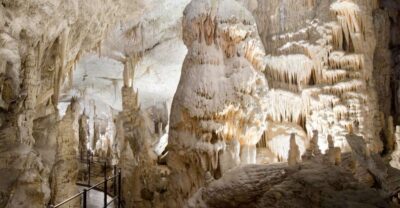
Postojna Cave & Predjama Castle Tickets and Tour
Read our review →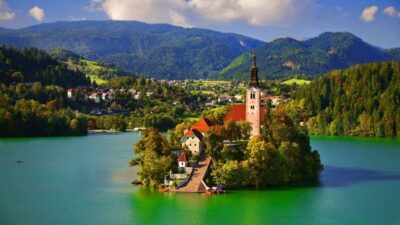
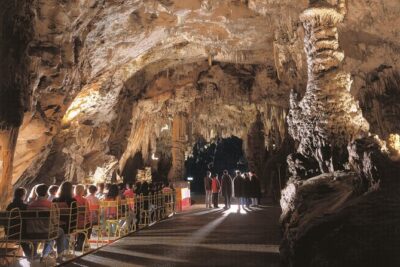
Postojna Cave and Predjama Castle – Entrance Tickets Included
Read our review →
Slovenia in One Day: Lake Bled, Postojna Cave and Predjama Castle
Read our review →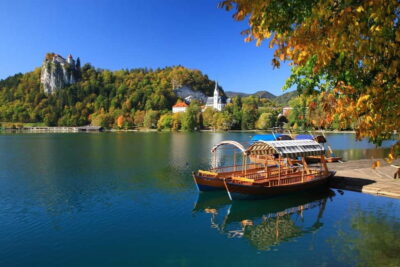
Lake Bled and Bohinj Tour with Savica Waterfall
Read our review →
Castle Entry Ticket with Optional Funicular Ride
Read our review →

Guided Walk & Funicular Ride to Ljubljana Castle
Read our review →Browse the lists this tour appears in